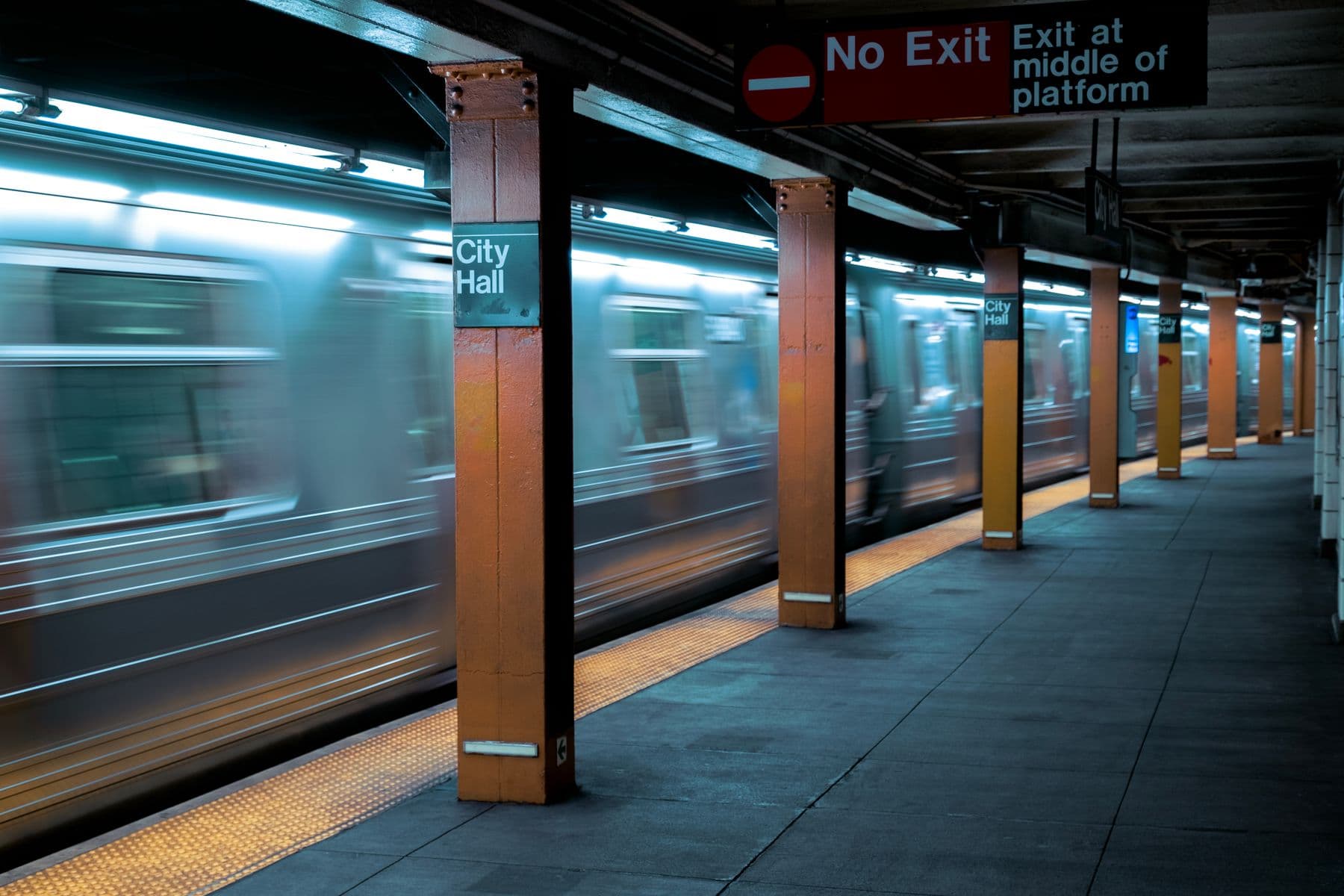

If this is your first visit, 5 days is the best all-round New York City itinerary. Three days covers the essential landmarks at a fast pace. Seven days gives you time for Brooklyn, Queens, museums and the parts of the trip you did not know you would want until you arrived.
The plans below group nearby neighbourhoods together. That matters in New York: a good itinerary is not the one with the longest list, but the one that spends less of the day changing subway lines.
New York City itinerary at a glance
| Trip length | Best for | What fits comfortably |
|---|---|---|
| 3 days | A short first visit | Lower Manhattan, Midtown, Central Park and one evening neighbourhood |
| 5 days | Most first-time visitors | The main sights plus museums, the High Line and Brooklyn |
| 7 days | A slower, broader trip | More of Brooklyn or Queens, extra museums and flexible time |
Have only two days? Use Day 1 and Day 2 below, then save Central Park and the museum for another visit. Have four days? Follow the three-day route and add Chelsea, the High Line and Greenwich Village.
Before you start planning each day
Treat the itinerary as a route, not a timetable. New York rewards early starts for major attractions, but it also rewards stopping for a long lunch, walking an extra block and changing your mind.
Choose your hotel before fixing the order of the days. Our guide to where to stay in New York City explains the trade-offs between Midtown convenience, Downtown atmosphere and a Brooklyn base.
Keep observation decks, ferries and outdoor viewpoints flexible until the forecast is reasonably clear. A skyline hidden by low cloud is still a skyline hidden by low cloud, however expensive the ticket.
3-day New York City itinerary
Three days is enough for the main sights, but only if you resist crossing the city for every famous address. Each day below stays within a sensible part of Manhattan, with one trip into Brooklyn.
Day 1: Lower Manhattan and the Brooklyn waterfront
Start around the World Trade Center. Visit the 9/11 Memorial, see the Oculus and walk through the Financial District towards Wall Street and Battery Park.
If the Statue of Liberty is a priority, make the official ferry the centre of the morning. Allow roughly half a day once security, boarding and the islands are included. If it is not a priority, the free Staten Island Ferry gives you harbour views without consuming most of the day.
In the afternoon, walk across Brooklyn Bridge. Continue into DUMBO for the waterfront parks and Manhattan views, then eat in Brooklyn Heights or return to Lower Manhattan.
- World Trade Center and 9/11 Memorial
- Financial District and Battery Park
- Brooklyn Bridge
- DUMBO and Brooklyn Bridge Park
Day 2: Midtown, an observation deck and Broadway
Begin near Grand Central Terminal and the New York Public Library before the pavements become busiest. Bryant Park, Fifth Avenue, Rockefeller Center and St Patrick's Cathedral then form one continuous route.
Choose one observation deck rather than collecting them. Top of the Rock gives you the classic Empire State Building view; the Empire State Building gives you the history of being inside the icon. Our observation deck comparison covers the other options.
See Times Square once the signs are illuminated. You do not need to spend the evening there unless you have a Broadway show. If you do, eat before or after the peak pre-theatre rush rather than trying to find a table at 6:30 pm without a plan.
Day 3: Central Park and a museum
Give the morning to Central Park. Enter around 59th Street, walk through the Mall and Bethesda Terrace, then continue towards the Ramble or the reservoir depending on your energy.
Choose one major museum for the afternoon. The Metropolitan Museum of Art works naturally with the east side of the park; the American Museum of Natural History works with the west. Trying to visit both properly on the same day turns two excellent museums into a corridor-viewing exercise.
Finish on the Upper West Side, Upper East Side or back Downtown in Greenwich Village. The final choice should be dinner, not another landmark added out of guilt.
5-day New York City itinerary
With five days, follow the three-day plan at a more comfortable pace and add the two days below. This is the itinerary we would choose for most first-time visitors.
Day 4: Chelsea, the High Line and Greenwich Village
Start at Hudson Yards and walk the High Line south. Stop at Chelsea Market if you want a quick lunch, but expect it to be busy. Continue through the Meatpacking District into the West Village.
Spend the afternoon walking rather than booking another attraction. Washington Square Park, the streets around Grove Street and the small shops of Greenwich Village work best without a minute-by-minute route.
For the evening, stay Downtown. SoHo, the Lower East Side and the East Village are close enough to give you several very different dinner options without returning to Midtown first.
Day 5: Choose your version of Brooklyn
Do not try to cover the borough. Choose one cluster that matches your interests.
- Williamsburg and Greenpoint for restaurants, shops and waterfront views;
- Prospect Park, the Brooklyn Museum and Park Slope for a museum-and-neighbourhood day;
- Coney Island for the boardwalk and beach atmosphere, particularly in warmer months.
Our Brooklyn travel guide helps you choose. If the weather is poor, use this day for a second major museum instead.
How to turn this into a 4-day New York itinerary
Follow the first three days, then use Day 4 for the High Line, Chelsea and Greenwich Village. This gives a first visit one full Downtown day, one Midtown day, one Central Park day and one neighbourhood-led day.
Four days is enough to see the icons without making every day identical. It is also the shortest trip length that leaves a useful weather backup for an observation deck or ferry.
7-day New York City itinerary
A week is not too long in New York. Add two of the following days rather than stretching the five-day itinerary simply because you have more time.
Day 6: Queens for food, art or both
Queens gives the trip a different rhythm. Use the 7 train for food in Jackson Heights and Flushing, or combine the Museum of the Moving Image with Astoria. Long Island City works well for skyline views and an easier half-day.
See the Queens travel guide before choosing an area. The borough is too large to treat as one stop.
Day 7: Return to what interested you most
Use the final day for the part of New York that your first six days revealed. That might be another museum, Harlem, a longer shopping afternoon, a food tour or simply returning to a neighbourhood you rushed.
A day trip is possible, but it is not compulsory. Philadelphia works by train; Washington, DC is a much longer day. On a first visit, one more unhurried New York day is often the better choice.
How to adapt this itinerary
With children
Reduce the number of major stops and keep a park or playground in each day. Ferry rides, Central Park, the American Museum of Natural History and shorter observation-deck visits usually work better than a chain of indoor attractions.
In winter
Put outdoor walks around the warmest part of the day and keep museums as weather backups. Sunset is early, which can be useful for seeing the skyline or Times Square illuminated without staying out late.
For a food-focused trip
Build days around neighbourhoods rather than individual reservations. Use our guide to the best restaurants in New York City as a shortlist, then leave room for pizza, bagels and places you notice while walking.
With teenagers
Let each person choose one anchor rather than adding more stops. An observation deck, a Broadway show, shopping in SoHo or a food stop usually creates a better shared day than another compulsory museum.
What should you book in advance?
Reserve the experiences that would genuinely disappoint you if they sold out. Broadway shows, the Statue of Liberty crown, popular observation-deck sunset slots and famous restaurants can all require advance planning.
Do not book every hour. New York has delays, weather and long lines, but it also has the useful habit of giving you a better idea while you are on the way to the original one.
Getting around during your itinerary
The subway is usually the fastest way to move between areas. Tap a contactless card or device at the reader, and use the same payment method for each journey. Read our guide to using the New York City subway before the first trip.
Walk within neighbourhoods and use buses when the route is direct, particularly across town. Taxis are useful with luggage or late at night, but traffic can make them slower than the subway in the middle of the day.
Which New York City itinerary should you choose?
Choose three days if New York is one stop in a longer trip and you are comfortable with full sightseeing days. Choose five days for the most balanced first visit. Choose seven if food, museums and neighbourhoods matter as much as the headline attractions.
If the number of days is still undecided, read how many days you need in New York City. Once the flights and hotel are fixed, return to this itinerary and remove one thing from each day. The city will fill the space.
Useful answers
FAQ - New York City Itinerary: 3, 5 & 7 Days
Yes. Three days is enough for Lower Manhattan, Midtown, Central Park and one major museum, but the trip will be busy and leave little flexibility.
Five days is an excellent length for a first visit. It covers the major landmarks while leaving time for Brooklyn, neighbourhood walks and at least one slower afternoon.
No. A week works well if you enjoy museums, food and exploring beyond Midtown. It also gives you flexibility for weather and sold-out attractions.
Midtown is the most convenient all-round base. Chelsea, Flatiron, the Upper West Side and Lower Manhattan can be better choices when atmosphere or a particular part of the itinerary matters more.
No. The subway, buses and walking cover almost every stop in this itinerary. Parking and traffic make a car more of a burden than a benefit for most visitors.